
In a workplace where the pace of change outstrips the capacity of traditional training, organizations face a growing challenge:
How can they ensure their teams acquire and apply skills exactly when the business needs them?
A new approach is emerging—one that is completely redefining corporate learning:
AI-driven learning integrated directly into daily workflows.
This model eliminates the long-standing gap between “learning” and “doing.”
Training stops being an isolated event and becomes continuous support that accompanies people as they carry out their real tasks.
What does it mean to learn in the flow of work with AI?
Simply put, it means receiving support, practice, and knowledge in real time—exactly in the moment it’s needed. No more dependence on long courses, scheduled sessions, or manuals that are impossible to find.
AI delivers the precise information, at the precise moment, tailored to each employee’s context.
This model is enabled through elements such as:
- Short microcontent to resolve immediate questions
- Personalized recommendations based on the task or performance
- Quick simulations to practice real decisions with zero friction
- Instant feedback that guides and corrects on the spot
Learning stops being an interruption and becomes a strategic reinforcement for better execution.
Why this approach is becoming essential now
Organizations today operate under unprecedented pressure:
constant technological change, more demanding customers, new business models, and an accelerated skills curve.
Traditional methods—long, theoretical, or disconnected from real work—can’t keep up.
AI-powered learning in the flow of work offers decisive advantages:
- Speed in learning and applying: People can resolve doubts without pausing productivity.
- Extreme relevance: AI identifies what each employee needs and delivers content tailored to their context and tasks.
- Immediate performance improvement: Real-time feedback reduces errors, speeds up decisions, and elevates work quality.
- Natural integration: Learning stops feeling like a parallel process and becomes an organic part of daily work.
How modern eLearning platforms make this possible
Learning in the flow of work isn’t just a concept—it’s a reality powered by advanced technology capable of:
- Generating on-demand AI micro-learning capsules
- Providing guided practice through social and decision-making simulators
- Supporting employees with intelligent tutors available 24/7
- Assessing skills and performance with no extra effort from the L&D team
These capabilities link learning directly to key outcomes: productivity, quality, engagement, retention, and talent development.
A starting point for the future of learning
This article opens a series where we will explore:
- Concrete use cases by role and industry
- Effective implementation models
- Metrics to demonstrate impact
- Strategies to adopt this approach without friction
- How it integrates into broader talent ecosystems
For now, it’s enough to remember one fundamental idea:
When learning happens in the same moment work happens, the impact is immediate, measurable, and sustainable.
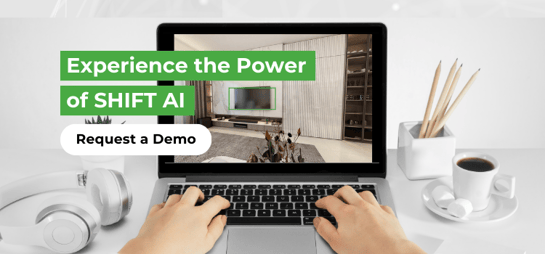
Discover how to integrate AI into your organization’s workflow.