SHIFT's eLearning Blog

Our blog provides the best practices, tips, and inspiration for corporate training, instructional design, eLearning and mLearning.

To visit the Spanish blog, click here

    Learning by Doing: AI that Accelerates Real Mastery

    For years, corporate training was built on a flawed assumption: if someone understands the theory, they’ll be able to apply it on the job. Neuroscience proves the opposite. The brain does not transfer theoretical knowledge into automatic action without practice, context, and feedback. That’s why organizations that still rely on presentations, static content, or informational courses rarely see performance change. The new standard is different: develop people who can do, not just people who know. That’s where AI-powered Experiential Learning comes in.

    AI-Powered Experiential Learning

    For years, corporate training focused on one main goal: delivering information and ensuring employees knew the processes. But in a world where change moves faster than ever, that’s no longer enough. Today’s organizations need something deeper — teams that can act, decide, and adapt confidently in the face of real-world challenges. The future won’t reward those who know the most, but those who can do the most. That shift marks the beginning of a new era: AI-powered experiential learning.

    Trend 4: Protecting Value in Secure Learning Ecosystems

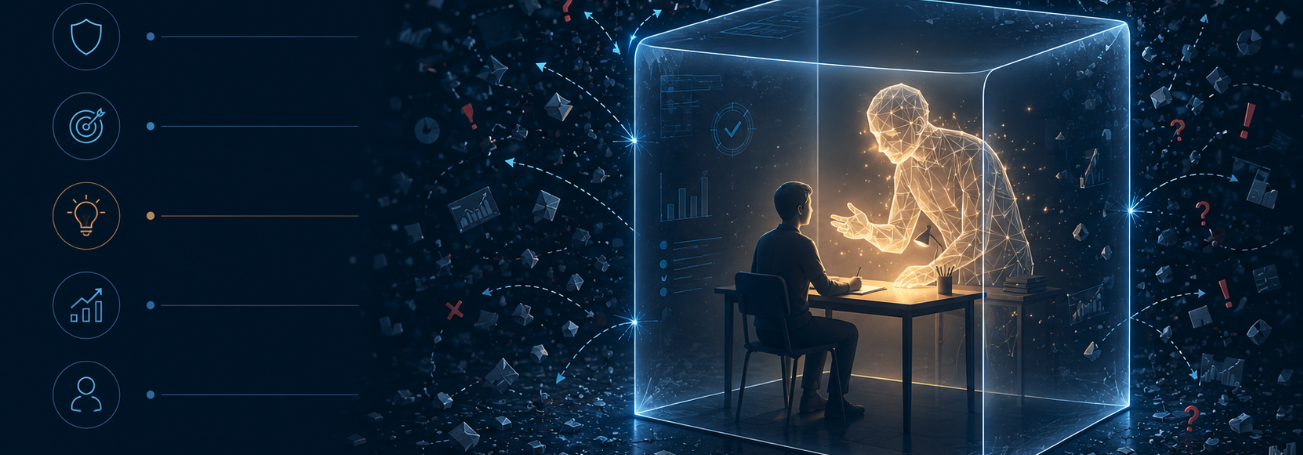
    Security is no longer optional, it’s strategic In the world of digital learning, data has become an organization’s most valuable asset… and also its most vulnerable. According to the IBM Cost of a Data Breach Report 2025, the average cost of a data breach now exceeds $4.44 million. This figure makes one thing clear: protecting information is no longer just a technical concern — it’s a matter of sustainability, trust, and corporate reputation.

    Ultra-Short Tip Trend 4 – The New Formula for Human Capital Management

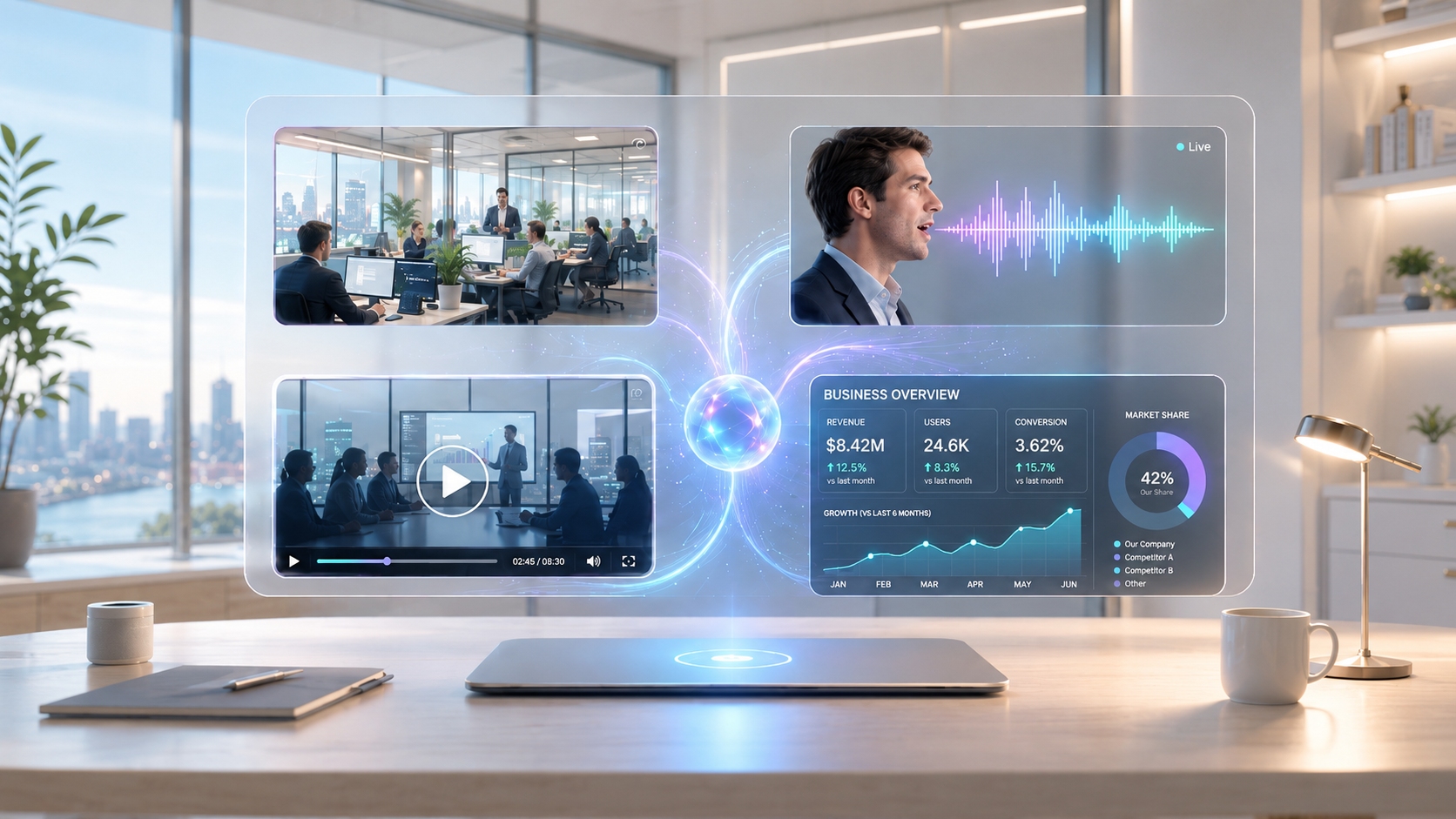
    Today’s leading organizations share one key factor: they’ve moved beyond generic training programs and now focus on critical skills and personalized learning experiences. Adaptive learning and competency-based development are no longer future promises—they’re becoming the foundation of modern corporate learning. In fact, 72% of companies plan to implement more personalized learning models powered by AI and data. In this new landscape, the combination of AI-powered tools and learning management platforms creates a powerful ecosystem: AI-based solutions generate intelligent, personalized content tailored to each employee’s level, context, and pace. Learning platforms publish, measure, and connect that learning with strategic skills and business outcomes. The result: training that drives measurable talent growth.

    Trend 2: Gamification, Simulators, and XR: When Learning Feels Real, It Becomes Powerful

    Today, corporate learning is no longer measured only in training hours, but in real impact. That’s where gamification, simulators, and XR (extended reality) are rewriting the rules. It’s not just about making learning more “fun,” but about making it more effective and unforgettable.

    Trend 1: Storytelling in Training, The Power of Learning 22 Times Better

    In a world where employees are exposed to thousands of daily stimuli, attention has become the scarcest resource. Facing this challenge, organizations are rediscovering a tool as ancient as it is powerful: storytelling.

    Making Every Change Count

    Change Management is not sustained by announcements, meetings, or strategic plans alone. What truly determines success is how people learn, adopt, and apply the new in their daily work. Modern eLearning solutions allow teams to: Access the right information at the right time Develop critical skills quickly And adopt new behaviors in a scalable and measurable way. The result: natural resistance turns into active commitment, and each change begins to generate real and sustainable impact.

    Why Do Change Projects Fail? The Missing Piece of the Puzzle

    As we close this month dedicated to Change Management, a key question arises: Why do so many projects fall short of the expected results, even when there are well-designed plans? The answer is simpler (and more human) than it seems: it all depends on how people adopt and apply new skills.

      Related Posts