 Trend 2: Gamification, Simulators, and XR: When Learning Feels Real, It Becomes Powerful">
Today, corporate learning is no longer measured only in training hours, but in real impact.
That’s where gamification, simulators, and XR (extended reality) are rewriting the rules. It’s not just about making learning more “fun,” but about making it more effective and unforgettable.
Recent studies show that gamified learning can increase engagement by up to 60% and improve retention by 40%.
The science behind it is simple: when we learn through play, the brain releases dopamine—the neurotransmitter of motivation and pleasure—which strengthens memory and accelerates skill acquisition.
From Theory to Immersive Practice
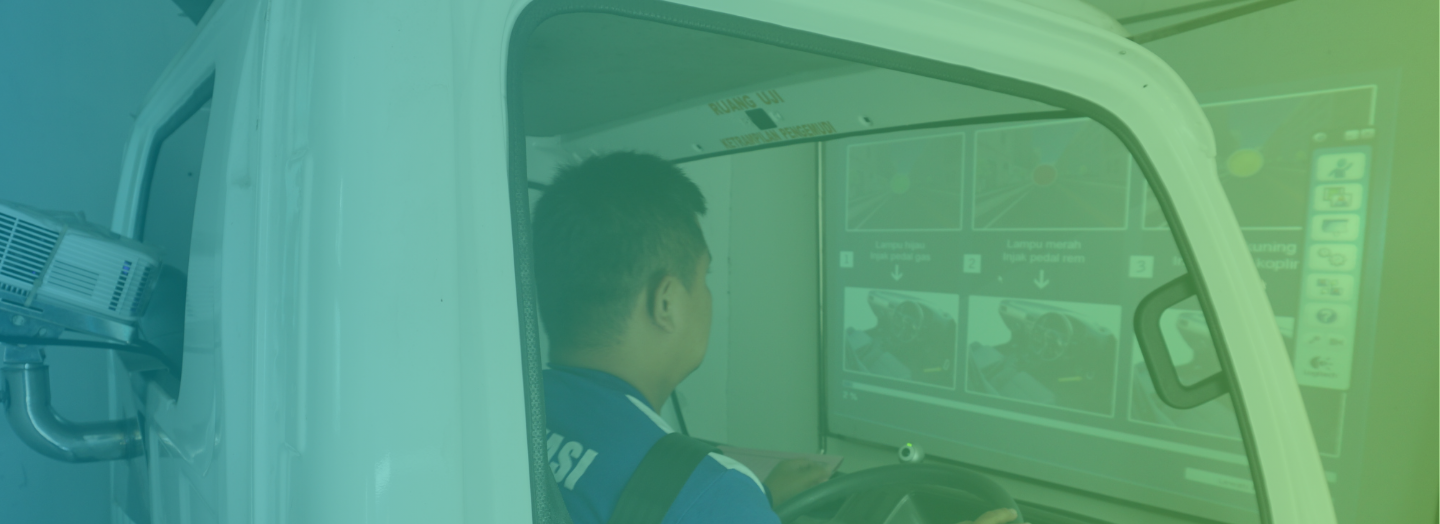
Gamification has evolved far beyond points and badges. Today, organizations recreate real-life environments where teams can learn by doing—without risks:
-
A salesperson can practice client conversations in a virtual environment before meeting them.
-
An operator can train safety protocols and emergency responses without facing real dangers.
-
A public servant can rehearse new regulations in a simulator before rolling them out.
These safe, controlled spaces reduce errors, shorten the learning curve, and build confidence—accelerating the transition from knowledge to action.
Beyond Entertainment
What makes these experiences powerful isn’t the “game” itself—it’s the intentional design behind it.
Every level, challenge, or simulation drives deliberate practice, critical thinking, and decision-making under pressure.
The results speak for themselves: companies that adopt these methodologies report measurable improvements in performance, productivity, and employee satisfaction.
Meanwhile, the expansion of XR (Virtual, Augmented, and Mixed Reality) has democratized training in industries where practice used to be costly or risky. From medicine to logistics and manufacturing, immersive learning is accelerating talent development at scale.
The Global Impact of Interactive Experiences
For multinational organizations, gamification and simulations standardize training and deliver consistent learning experiences across languages and cultures. Because they’re interactive, these tools close attention gaps and allow personalization by skill level, role, or local context.
In Summary
The combination of gamification, simulators, and XR is redefining corporate training.
It’s no longer just about teaching—it’s about creating immersive experiences that transform behavior, boost performance, and deliver sustainable results.
Experience the power of immersive learning.
Ready to transform your corporate training?
See real results from companies that train with SHIFT — or talk to our team.