 Trend 4: Protecting Value in Secure Learning Ecosystems">
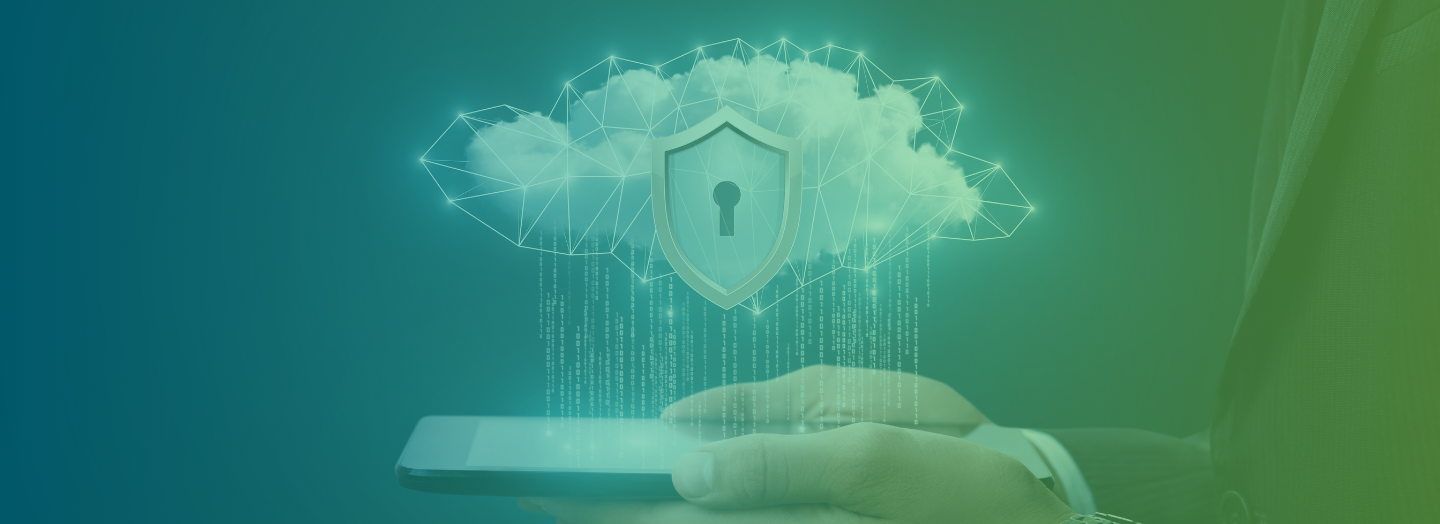
Security is no longer optional, it’s strategic
In the world of digital learning, data has become an organization’s most valuable asset… and also its most vulnerable.
According to the IBM Cost of a Data Breach Report 2025, the average cost of a data breach now exceeds $4.44 million. This figure makes one thing clear: protecting information is no longer just a technical concern — it’s a matter of sustainability, trust, and corporate reputation.
In this new landscape, organizations that invest in secure learning ecosystems don’t just avoid financial losses:
-
They strengthen the trust of their employees and clients.
-
They comply with data privacy and protection regulations.
-
They ensure business continuity in times of risk.
Why Security Matters in Corporate Learning
Every course, assessment, or simulator within an eLearning platform contains critical information: intellectual property, personal data, performance metrics, and more.
A single breach can erode trust, expose sensitive content, or even halt operations entirely.
That’s why eLearning security isn’t just about passwords — it’s about building an environment where every stage of the process — from content creation to performance measurement — takes place within auditable, encrypted, and certified systems that meet the highest international standards, such as ISO 27001 or SOC 2 Type II.
Organizations that adopt this mindset gain a true competitive edge: they can scale their learning strategy with the confidence that every piece of data and every user is protected.
How to Build a Secure Learning Ecosystem
The starting point is clear: choose reliable, certified platforms that combine security, traceability, and performance.
A secure learning ecosystem should:
-
Allow access and permissions management by role, ensuring that each user only sees what they need.
-
Provide complete traceability through audit and performance dashboards.
-
Ensure that content creation and publishing occur in protected environments — without compromising agility or creativity.
This way, HR and L&D teams can innovate, measure, and scale their programs with the confidence that their foundation — the data — is safe.
Final Reflection
In an economy where knowledge is the new capital, protecting it means protecting the organization’s future.
Companies that integrate security, compliance, and performance don’t just teach — they inspire trust, strengthen their digital culture, and ensure the sustainability of their learning strategy.
The learning of the future will be only as strong as its security.
Safeguard your knowledge today to grow with confidence tomorrow.
Ready to transform your corporate training?
See real results from companies that train with SHIFT — or talk to our team.