
Our blog provides the best practices, tips, and inspiration for corporate training, instructional design, eLearning and mLearning.
To visit the Spanish blog, click hereHow do you read an article in the newspaper? You start with the headline that screamed at you from the newsstand. Then you read the sub-headline, which is printed in smaller font size. Next, you proceed to read the body copy. Why do you read in this order? You read the headline first because its large, bold font grabs your eyeballs as soon as you glance at the newspaper. Next, the sub-headline catches your attention. You are compelled to read in this order because of the way the text is presented. This is visual hierarchy, where information is ordered based on its importance and visually presented using contrasting forms to influence the viewing order.
It’s every instructional designer’s dream to design an eLearning course that will keep learner’s coming back for more. Furthermore, it’s your dream to have this course be instrumental in your team’s growth and development. Achieving these results requires insightful strategies that merge content and design to entice the learner. It is also done by addressing their concerns and providing them with the information they need in ways they understand. Review some of the triggers and strategies that will get your learners coming back for more much like gamers do. Read on about how to begin to incorporate them into your course lessons immediately!
Although instructor-led or classroom training remains as one of the most common ways to train employees, the opportunity to implement eLearning to is a more cost-effective and convenient option. However, don’t fall into the trap of thinking, “I already have a successful classroom training program. I just need to transfer this online, and I’m all set.” Successfully moving existing training content online requires some prep work. If you just start the transformation process by doing a one-for-one conversion (i.e. taking each slide or presentation deck and making an exact digital representation of it); chances are that you’ll end up with an eBook without delivering an enhanced learning experience to your learners. So, if you're new to creating eLearning courses, you will find this post useful in answering common questions and providing you with a guide of things to consider during the process of converting existing content, which goes far beyond merely transferring content to an online format.
It can be overwhelming to sit down and create an eLearning course. We know it’s tempting to jump straight to developing your eLearning course. But, hold back the authoring tool for now! There are tried and true steps to take before firing up that authoring tool. How will you make your course interesting, relevant, and useful to your audience? How will you engage them and grab their attention? Spending time planning is key.
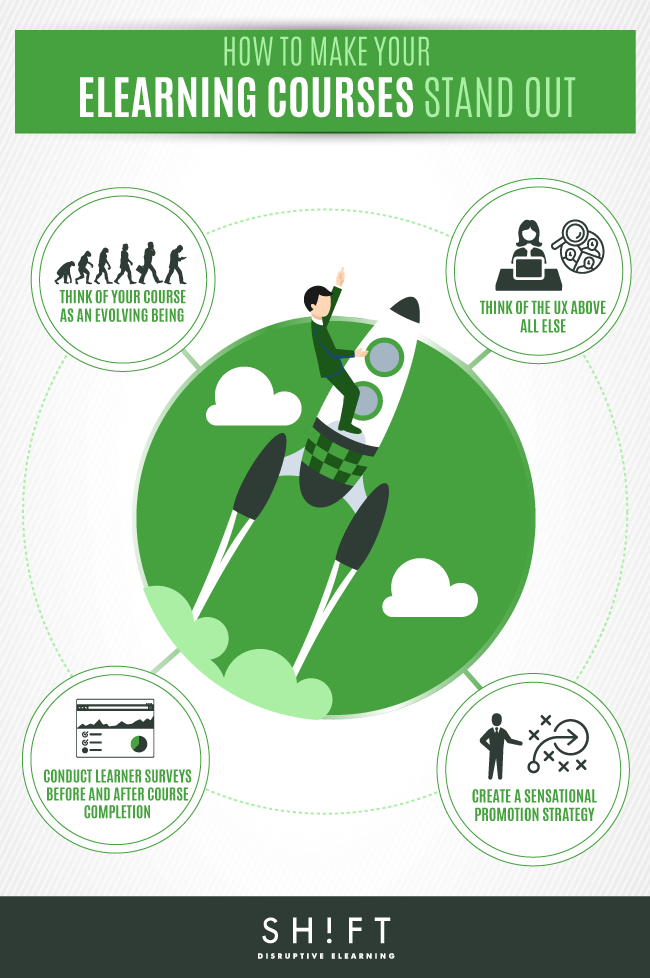
These days your employees are bombarded with all sorts of information: Whatsapp messages, social media notifications, email, phone calls, etc. While the average attention spans of adults range from 10 to 20 minutes, the expectations of the quality learning experiences are higher than ever. The only way to stand out in this flood of information is to make your courses STELLAR, aka: USEFUL, VALUABLE, MEMORABLE and ENGAGING. As you design your courses always keep your learners in mind and what is honestly relevant to them and what will keep them focused. You can start by asking yourself what you would need to get the most from the course. Design to satisfy this objective and you are well on your way to effective courses.
We like to be productive. So we create keyboard shortcuts. We make lists. We stick Post-it notes and set up reminders. We don’t want to overlook details or stray away from standards. So we stick to rules, create guidelines, and follow templates. Worksheets, templates, cheat sheets, checklists, and the like are nifty productivity tools. These help us keep our wits about us and our energies from being scattered in the midst of a flurry of activity and create flawless products without working long hours, plodding through multiple rounds of rework, and overshooting deadlines.
Discover the “AJA” insights behind learning impact evaluations. After so much time and effort spent creating an eLearning course, one of the most critical steps following its creation is evaluation. Determining how well the course is performing and where it can be optimized is key to have a greater impact. It used to be enough to evaluate the course’s success through efficiency (course completion) and ROI (saved time and money in the development process). However, this traditional method is limited as it reveals very little about what is going on between the course and its learner. Our times allow for different methods of evaluation. In this post, we invite companies to consider going beyond ROI-only based metrics to LEARNING & PERFORMANCE based insights.
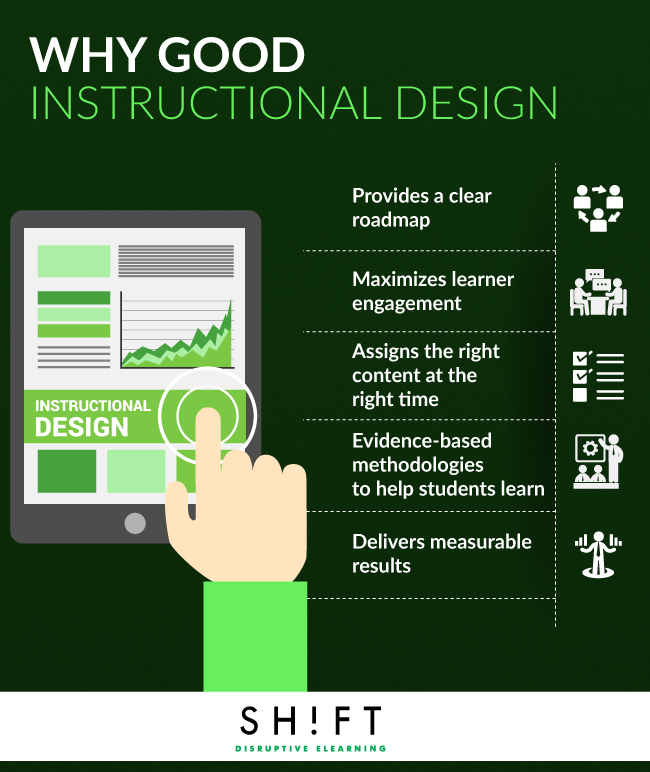
If you’re new to eLearning, then understanding and following instructional design best practices from the beginning is crucial to your success. The eLearning niche is vast, and you will find numerous theories, models, and resources that have worked for different experts. Leave them for later. Begin with the basic, most widely used models that eLearning designers acknowledge and use to structure and plan their training: ADDIE Model Merrill’s Principles of Instruction Gagne’s Nine Events of Instructions Bloom’s Taxonomy Note: This overview doesn't intend to evaluate the models. Each framework has its own advantages and disadvantages, and the choice of which to use will depend on which model works best for you, your company, and your learners. Also before start learning about these models, here are some very practical and clear points to show your boss and help your team understand the 'why' of good instructional design and give it the respect it deserves. How Do I Get My Company to Take Instructional Design Seriously?
We combine best-in class technology, strategy and future-proof business solutions to bring your content to life, faster!