Our blog provides the best practices, tips, and inspiration for corporate training, instructional design, eLearning and mLearning.
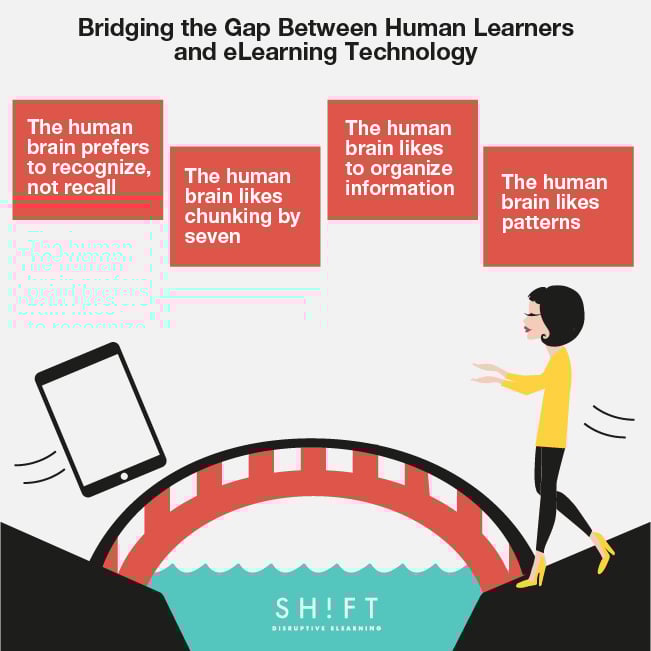
To visit the Spanish blog, click hereWe are carrying on with our series where we decode the science of forgetting. We peek inside the human brain to decipher why learners forget your training. The knowledge will provide you with valuable insights on what to do to create memorable eLearning courses. The modern corporate learner is overwhelmed by a constant influx of stimuli and information. Employees have to relentlessly sift through a sea of information to sort the facts from the fluff. They have to carry out sundry personal and professional responsibilities. They also want to work on their dreams and cherished projects. They basically have too much going on in their minds. Their attention wanders and they can't focus on the learning as much as they would have liked to.
What’s memorable? What leaves an indelible impression on your mind and changes you fundamentally? We all have our favorite movies, songs, or books. There are stories, tunes, and characters that stay with us for the rest of our lives. As an eLearning developer, wouldn’t you love to design courses that create such everlasting memories for your learners? But in the core of our beings, we know how challenging it is to create unforgettable eLearning courses. There are deadlines. Work has to be completed yesterday. The result: you create courses mindlessly. You spend long hours working on courses that hardly resonate with your learners. So you end up wasting precious time and effort creating content that your learners forget the moment they complete the course.
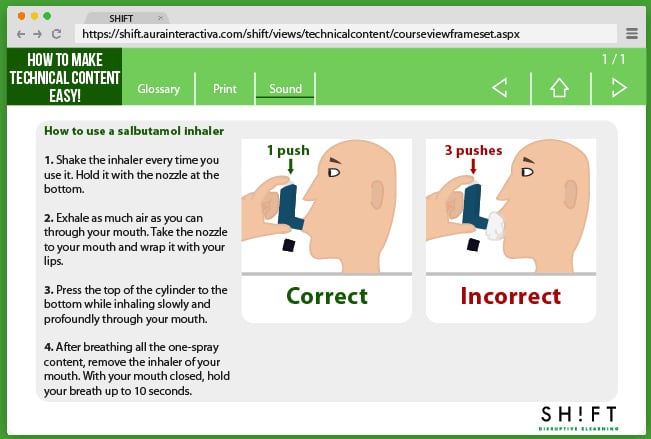
You just got new software. It’s going to be great! It will increase productivity and communication and yield great results…IF everyone knows how to use it. But if they’re not well trained, you’ll never reap the benefits you paid for. As the Training Manager, you’re responsible for training employees on the new tools and programs. It’s your job to make sure they know how to use its features, QUICKLY. Getting everyone in the company up-to-speed is your priority.
Creating an effective eLearning program is no easy task. It takes hard work, commitment, continuous trial and error, and making LOTS of mistakes along the way before you hit the mark. In this post, we wanted to share some of the lessons we've learned the hard way and give you some valuable pieces of advice, so you don’t make the same mistakes we (or our clients) did. We can only hope that walking you through these lessons-learned can help begin your eLearning design endeavor the right way.
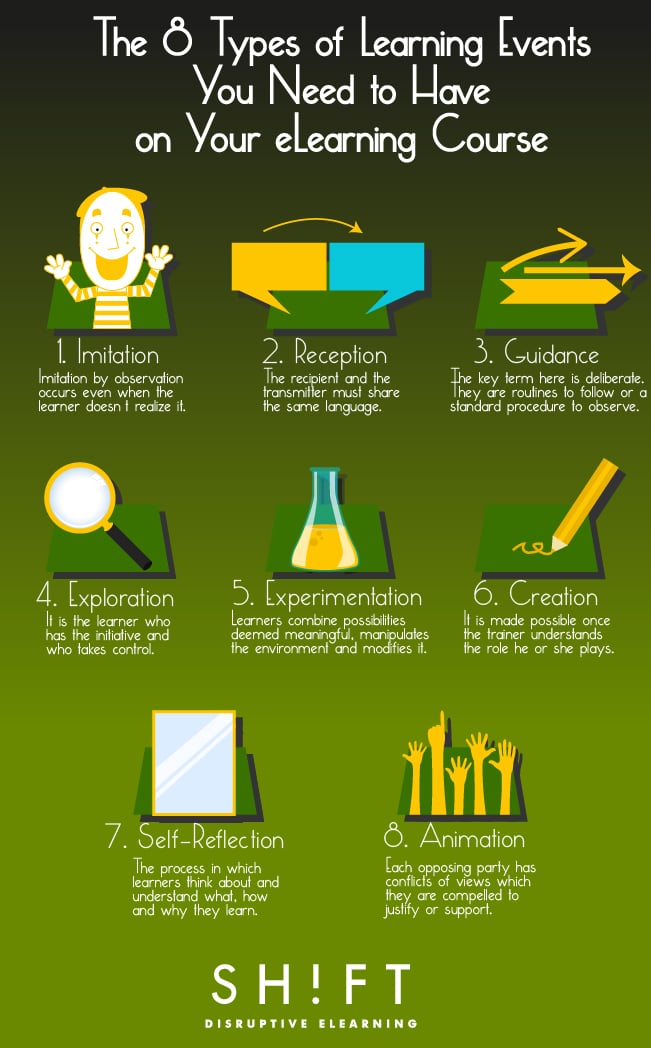
A good eLearning course is like a lip-smacking, mouth-watering, finger-licking meat pie. Every cook has a different recipe, but the essential ingredients are the same—a juicy, meaty filling; spicy seasonings; and two flaky crusts. There are no cookie-cutter ways to create memorable and effective eLearning courses; the needs vary across industries. But the essentials are the same. Time to go over these eLearning must haves:
Are workers dropping out your eLearning courses like the proverbial ‘hot potato?’ Are they finding them hard to finish? Giving them bad reviews? Telling everyone they know a crazed monkey designed them? If so, it’s likely your courses have one or more of the following issues that have driven your learners away:
“Are you feeling me?” Well, are you? Or, more importantly, is your audience feeling you? Understanding you? Connecting to what you’re putting out there? To get a resounding “yes!” to these questions you need to concern yourself with resonance which is, among other things, “a quality that makes something personally meaningful or important to someone.” Or in the words of Tony Schwartz in his book The Responsive Chord "Resonance takes place when the stimuli put into our communication evoke meaning in a listener or viewer." But why is resonance so necessary to eLearning course design? Another definition for this concept has to do with sound and “the reinforcement or prolongation of sound by reflection from a surface or by the synchronous vibration of a nearby object.” In simple words; this means one vibration causes another vibration or a ripple effect. For your audience, if you pluck just the right heartstring for them, their learning process gets easier because one piece of information will set off reminders of other knowledge, making it simpler to connect them all together, so they don’t feel like so many individual things to remember. And when things are easier they are more likely to continue with your course and retain information. Your lesson will resonate when your audience feels it, understands it and becomes mentally/emotionally invested in it. As an eLearning designer, you need to be in sync with your students, to harmonize with them, their goals and their experiences. This is the only way to fight your way through the content crush, or oversaturation of content and information that your audience is subjected to each day. To do this your eLearning course content should have these attributes:
Product designer William Newton wrote a compelling article some time ago on the tiers of good design and the pyramid they form. But this idea can be applied to more than physical product design; it can be used to create better eLearning courses, as well. Find the original article here: The Design Process: A Pyramid Using this same structure, we explore just how the pyramid can help you improve your eLearning design workflow.
We combine best-in class technology, strategy and future-proof business solutions to bring your content to life, faster!