SHIFT's eLearning Blog

Our blog provides the best practices, tips, and inspiration for corporate training, instructional design, eLearning and mLearning.

To visit the Spanish blog, click here

    5 Methods to Achieve Visual Consistency in eLearning

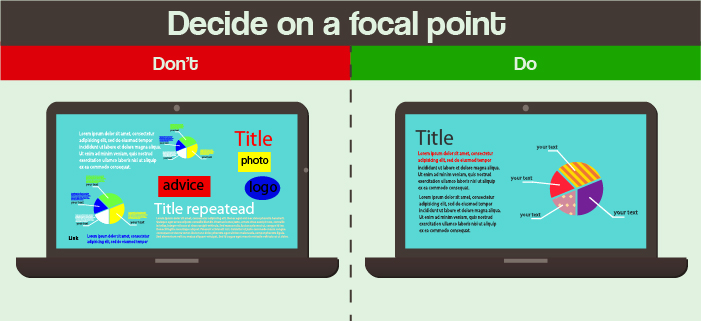
    Design resources never stop reminding us how important it is to be consistent when creating any graphic piece. We don’t argue. But as an eLearning designer, you know how challenging it is to walk the talk when it comes to maintaining a consistent look-and-feel throughout the course. After all, we are creative folks and artists at heart. Our brains get weary and scream for some zing by the time we get through a couple of slides.

    The Do’s and Don’ts of Writing for eLearning

    Have you ever read something where it seems like the material was written by someone who simply wanted to show off how smart they are? When this happens, do you find yourself thinking how brilliant the author is? No, it’s far more likely that you get annoyed with the person who wrote the piece and possibly frustrated with yourself. This is NOT the way to write your courses. As an eLearning designer, there will be times when you know the material far better than the average student, but the last thing you want to do is create a course that goes over students’ heads. You need to strive to be clear without talking down to your audience and engaging without being letting the entertainment value overshadow the information. Additionally, there are certain things that you need to consider when designing for people who will be viewing your eLearning course on a computer screen or other device. People who are learning online have far more built-in distractions over people reading from a piece of paper, which makes online learners: Focus on tasks not an overall experience Read up to 25% slowerbecause there are distractions like links to click on Read only about 20% of text on the average page Skim information instead of reading every single word Because of these factors, your eLearning courses must be concise and organized into easily manageable parts.

    What’s True and What’s Not: 6 eLearning Myths Busted

    As the corporate world transitions from the four walls of the classroom to a more open virtual world, instructional designers are beginning to discover innovative ways to make eLearning work for learners. However, for many designers out there, it is still something “alien” that they view with excitement and curiosity mixed with trepidation. As it is with any nascent tool or trend, eLearning too is shrouded in myths. The sooner these eLearning myths are busted, the easier it would be for designers to conceive and create courses that provide value to wider audiences.

    Can eLearning Help You Win the Digital Skills Race?

    We’re living in an era where business is becoming primarily digital. As that continues, we face a bigger and bigger gap between those who use digital technology and those who understand digital technology. As this field continues to grow, companies that improve their employees’ digital skills will increase their productivity, be more innovative, and ultimately, enjoy long-term stability and increased profitability.

    Good Client- eLearning Designer Relationship Manifesto

    While your dating life might be just a swipe away, you need to treat your clients like the ones you want to marry. An eLearning designer’s job is not merely to design a course but to interact with clients (internal or external) and create a product that not only fits but anticipates their needs. In order to do this, you need to work on your relationship, build it and maintain it. With the tips you’ll find here, you will be well on your way to getting clients to say “I do” to your next project by working on creating good design and upping what you bring to the partnership.

    Skills Your e-Learning Team Needs in 2016 and Beyond

    Average skills are no longer enough to get or keep an average job, and you need even more when you are working in the technology-driven world of e-learning. As computers and machines take on almost Orwellian levels of skills and abilities, once adequate human skill sets simply aren't cutting it anymore. To give you and your e-learning team a fighting chance against the machines, learn, love and live these skills to succeed in 2016 and beyond.

    Facts and Stats That Reveal The Power Of eLearning [Infographic]

    The thing today is not whether eLearning benefits your business; the real issue is whether you can afford not to join in the trend. Here are some statistics that show why your company should have already implemented this training method like, yesterday! These stats are so darn compelling; it’s really hard to imagine why companies would not want to start using eLearning to train its workforce.

    7 Great eLearning Blogs You Should Be Reading

    A quick search of the almighty Internet reveals that there is no end to the amount of advice on how to do just about any job better. ELearning is no different. While plowing through dozens of blogs, articles, and how-to sites will likely garner you quite a bit of good information, it will also take up valuable time you could use actually to design and improve your craft. So, because a big part of our job is to make you better and more successful at your job, we’ve compiled a list of top elearning blogs for 2016 to ramp up your design skills and stay on top of the industry. Quick tip: use the handy Feedly app to organize the blog content you want to read.

      Related Posts