Our blog provides the best practices, tips, and inspiration for corporate training, instructional design, eLearning and mLearning.
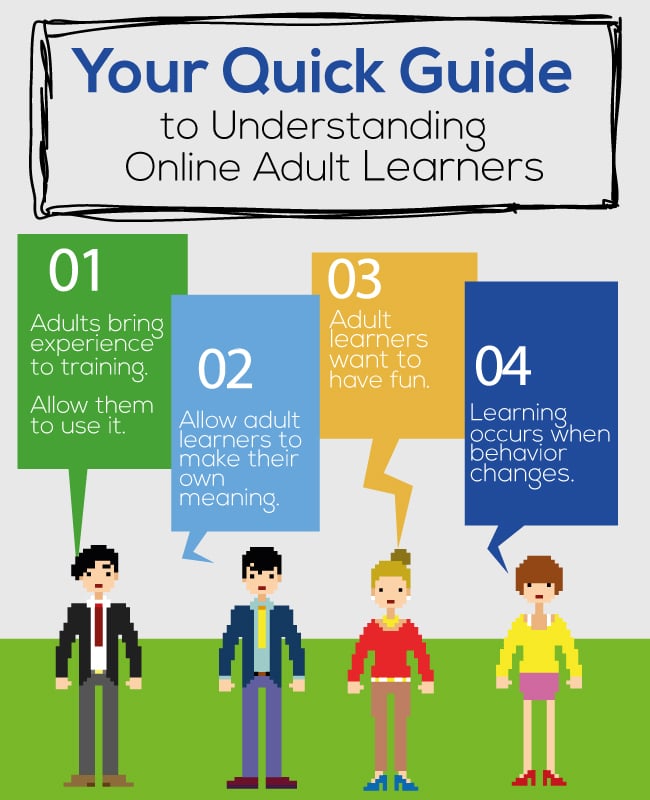
To visit the Spanish blog, click hereThink your organization is too young, hip, and fresh to have baby boomers on its books? Think again. According to the U.S. Census Bureau, approximately 59,000 Americans over the age of 60 are currently enrolled in colleges and universities. A recent report by the Pew Internet & American Life Project estimates that 70 percent of people aged 50 to 64 uses the Internet, and 33 percent of people over 65 do the same. Oh and also, did we mention that those over 50 are the fastest growing demographic online? According to Immersion Active, that’s a fact. Wow. If your eLearning audience are baby boomers then, how do you design eLearning courses that cater to their needs? Well, let’s have a look. What follows is our guide to eLearning design for the baby-boomer audience.
Embrace the race or get left in the dust. While the world of e-learning design might not seem as fast paced or ever-changing as other environments, it is still a business, and there are changes in motion that designers need to be aware of to to stay relevant in the field. In the same way, that education has begun to leave the classroom and is now accessible from mobile devices, technology is still evolving to make the new learning arena better, faster and more widely accessible. Companies now have options they never did before for providing training. Being aware of these changes means keeping your courses relevant for students and keeping your design skills in demand.
Do you buy clothes online without looking at the photographs? What sounds more exciting—reading about a seaside town or actually walking through the streets of one while smelling the sea in the air? Why is your computer crammed full with photographs and videos of long-gone birthday parties and family picnics? That is because, we love images! Images talk to us, move us, make us remember, and inspire us in ways that words hardly can. We also happen to learn better through images than with text. The human brain processes visuals 60,000 times quicker than text!
Let's make a memory exercise and remember biology class. What is a cell? The cell is the basic unit of every living being whether human, animal or plant. We could say that the cell is the beginning of life.
eLearning professionals need to raise the bar and reset their expectations if their learners are to consider courses worthwhile. The following ten points are things we have found successful eLearning professionals do differently. We hope they can help developers change their mindsets to create the best courses possible.
Despite the utility of multimedia in eLearning, images and even videos can only go so far: the core source of information remains text. Accordingly, a basic knowledge of typography is a must for any eLearning designer. Good typography enhances readability, encourages information processing, creates a visual hierarchy, and even engages readers' emotions. Here is a 7-step guide to making your course more effective—with typography in mind.
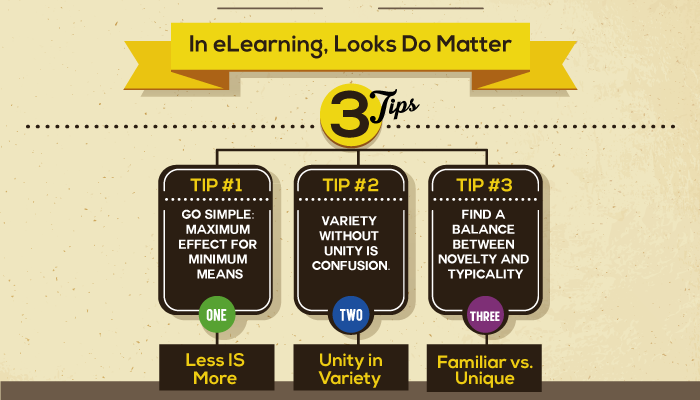
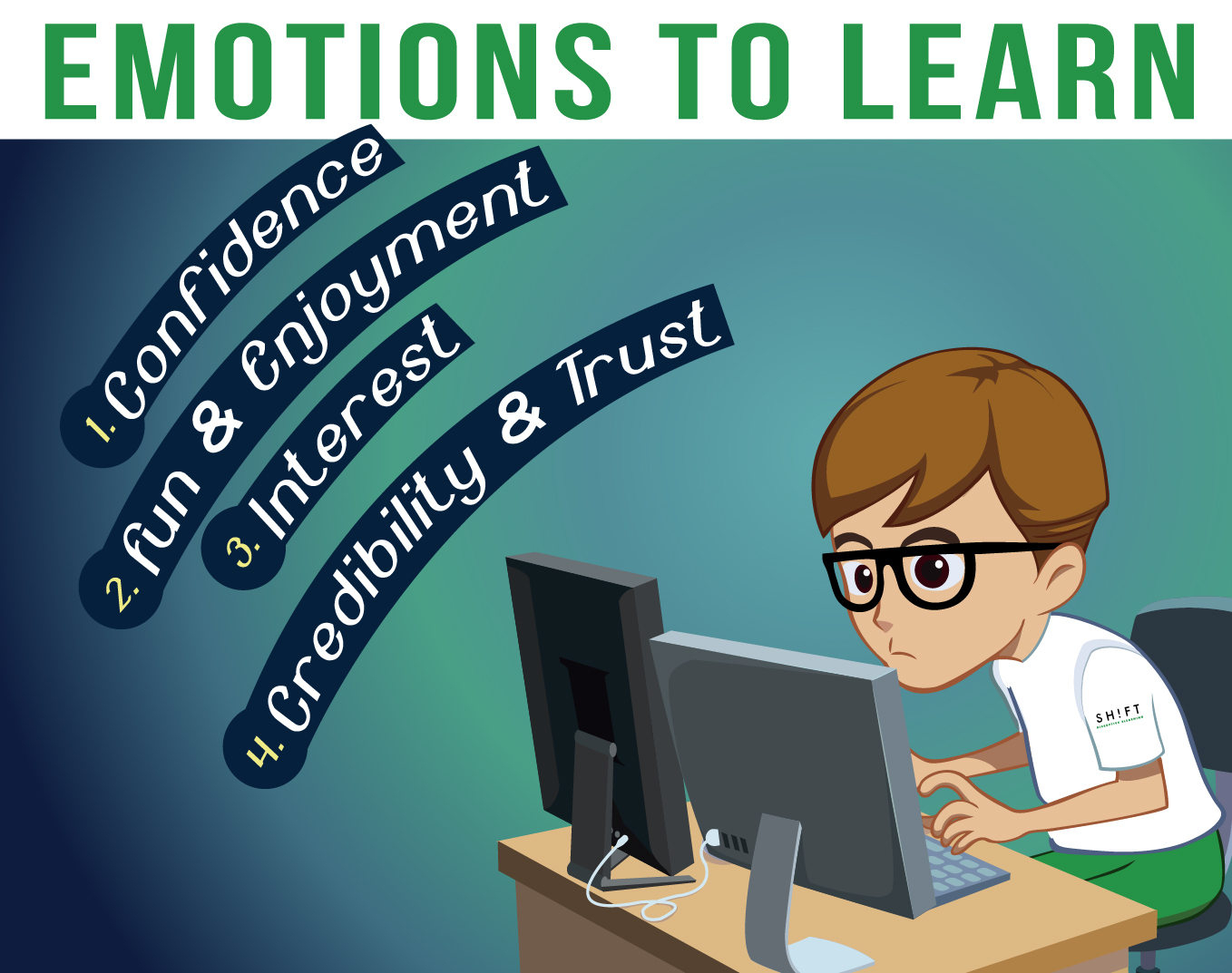
Some eLearning developers tend to focus on their courses’ appearance; others place a greater emphasis on content. However, only a few, work on creating an effective eLearning design that has an impact on learners by evoking emotions and causing a lasting impression. This is called emotional design.
eLearning professionals are often over-confident about a course’s ability to capture an audience’s attention and engage users with its content. By conducting a simple “reflection” test before publishing, like the famous Blink Test or Eyeball Test, can make a great difference to ensuring an effective eLearning course.
We combine best-in class technology, strategy and future-proof business solutions to bring your content to life, faster!