
Picture Perfect: A Guide to Choosing Images for eLearning
A picture is worth a thousand words. It’s trite but true. And when it comes to eLearning, picking images is a life-and-death decision. That’s because an image can ...
Read more →A picture is worth a thousand words. It’s trite but true. And when it comes to eLearning, picking images is a life-and-death decision. That’s because an image can ...
Read more →Usability, along with utility and desirability, unlocks the key to effective eLearning courses. By following these three essential principles, course developers are able ...
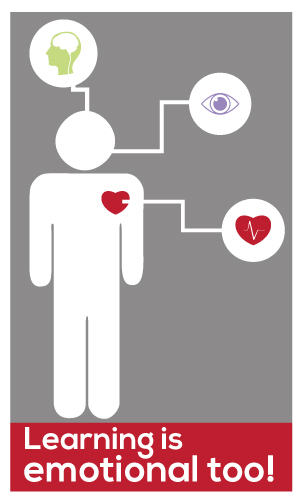
Read more →Learning isn’t merely cerebral. It’s emotional, too. Researchers, in fact, have confirmed how emotions affect mental processes. They finally found the missing piece of ...
Read more →Effective eLearning courses don't happen by magic. They come out of purposeful, thoughtful and learner-focused design.
Read more →Effective learning doesn’t require expensive technology and elaborated training sessions. It doesn’t even demand the impossible from you, the course developer. But it ...
Read more →Many learners take an eLearning course because they have to, not because they want to. This is the reality for most learners. Every course developer should acknowledge ...
Read more →Design is more pervasive than you think it is. The moment you fire up your eLearning tool and make a slide, you face issues of design whether you like it or not. And if ...
Read more →The art and science of design acknowledges the habits and actions of people. Effective images, video and text take into account the reasons people do what they do to ...
Read more →You’re neither an instructional designer nor a graphic designer. In fact, you don’t have any formal background in designing educational materials and interfaces. But you ...
Read more →Everyone needs a little more time in their day, but since no one has invented the 27-hour day or a way to be in two places at once, we simply have to get more creative ...
Read more →You don't consider yourself as an expert on eLearning design. But you do treat design as a crucial aspect of eLearning and understand its importance. The proverbial ...
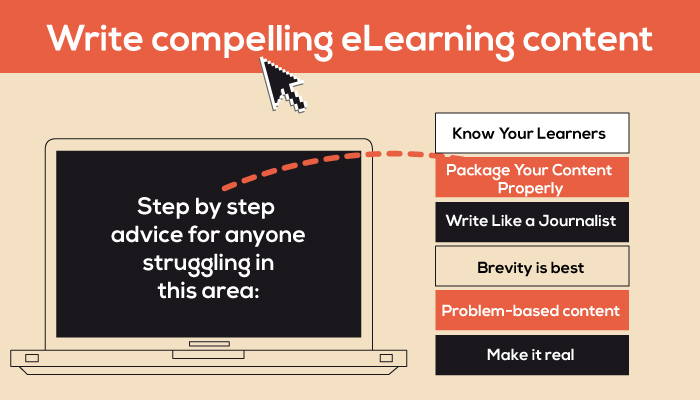
Read more →We know that creating learning content that's clear and concise is a no-brainer. But creating content that influences, motivates, engages and compells is not often a ...
Read more →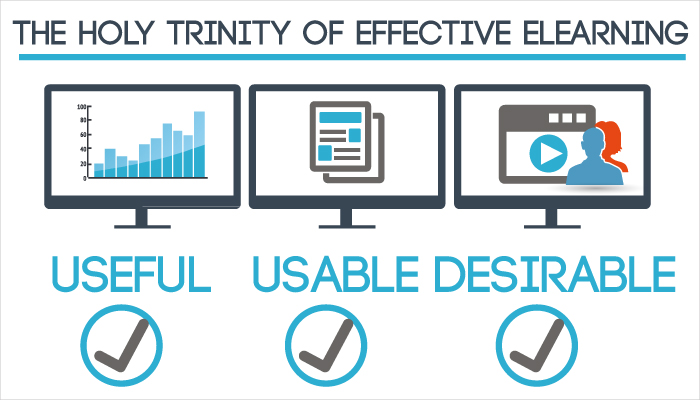
![5 Resources You Need to Create Better eLearning Courses [Free Download]](https://www.shiftelearning.com/hs-fs/file-339853703-jpg/images/kineo-ebook.jpg)